analog audio streaming to SONOS speaker using a Raspberry PI

Project date is 11 jan 2022

PROJECT SCOPE

GOAL : To stream analog audio to SONOS Speaker(s) especially for record players

My Project cost:150 Euro but it can be done for cheaper (is use newest Pi)
Low end Project cost will be around 90 Euro (depending what materials you already have at home)
Project cost estimation is including the Behringer UFO202 audio interface USB (this is around 23 euros)

OS/Software/Apps used:

Please be aware your Raspberry Pi must be on the same wifi network (SSID) as the SONOS system.

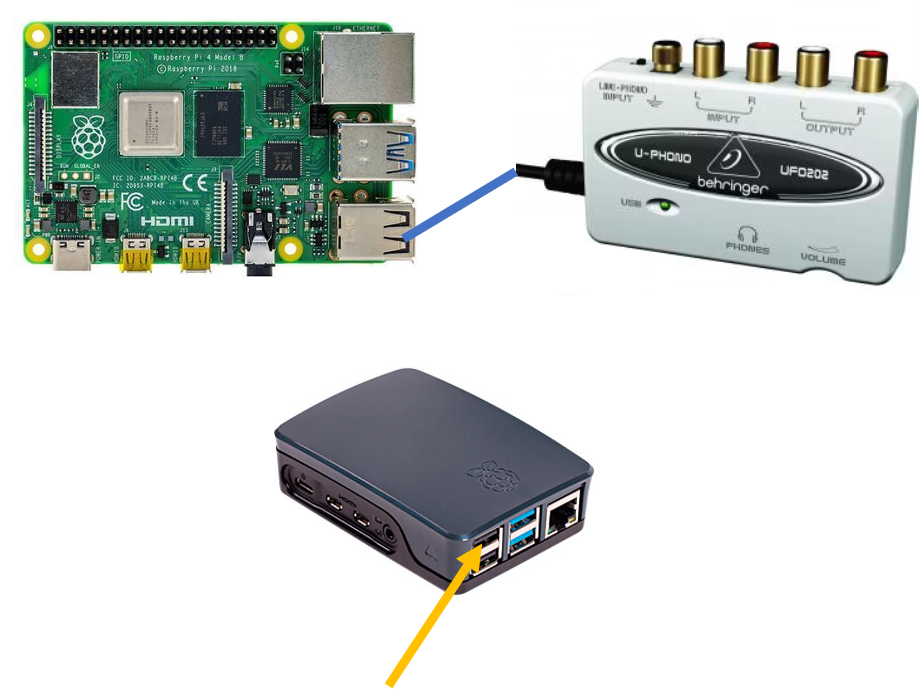
Extra hardware needed: U-PHONO UFO202

Behringer UFO202 audio interface USB Specifications:

  • The Behringer UFO202 High-quality USB Audio Interface with Built-in Phono Preamp and Massive Software Package for Digitalizing Your Tapes and Vinyl Records connects to your turntable, cassette player, etc. with your computer for recording, playback and Transfering Your Tapes and Vinyl Records via a simple USB connection.

    The Behringer UFO202 High-quality USB Audio Interface includes Audacity vinyl restoration, noise-reduction, editing and recording software, comprehensive podcasting software and over 150 virtual instruments and effect plug-ins.
    The Behringer UFO202 High-quality USB Audio Interface main features include:

    • High-quality USB audio interface connects your turntable, cassette player, etc. with your computer for recording and playback
    • Transfer and restore your valuable vinyl records and tapes to your computer via a simple USB connection
    • Massive software bundle includes Audacity vinyl restoration, noise-reduction, editing and recording software, comprehensive podcasting software and over 150 virtual instruments and effect plug-ins
    • Revolutionary energyXT2 Compact music production software included with feature-rich audio/MIDI sequencer that loads almost instantaneously on all computer platforms
    • Phono input switchable to line input source
    • Stereo output allows easy connection and playback of computer audio files over your home sound system
    • High-resolution 48 kHz converters for high-end audio quality
    • Stereo Headphone output with dedicated Level control lets you monitor your input source
    • Works with your PC or Mac computer—no setup or drivers required
    • Powered via USB — no external power supply needed
    • High-quality components and exceptionally rugged construction ensure long life
    • Conceived and designed by BEHRINGER Germany
    • EnergyXT 2.5 Compact BEHRINGER Edition software available as a free download

SETUP GUIDE

FIRST YOU NEED TO DO THESE STEPS BEFORE SETUP FOR SONOS STREAMING

HOW TO INSTALL OS :Raspberry Pi OS Lite (32-bit) with no desktop environment

No external monitor, keyboard and mouse needed to be connected to the Raspberry PI

BOOT RASPBERRY PI ONLY WHEN CONNECTED TO MY WIFI NETWORK

No external monitor, keyboard and mouse needed to be connected to the Raspberry PI

Ready to install software for streaming to SONOS

INSTALL ICECAST STREAMING server on raspberry pi

This action is done on a Windows PC to the Raspberry PI With Putty: 

  • Make sure the U-PHONO UFO202 is connected to the USB of the Raspberry PI
    (best is to connect it to te Raspberry PI when it is switched off)
    (shutdown command is: sudo shutdown now)
  • Power on Raspberry PI (then wait for some 30 sec to be connected to the network)
  • Connect with putty to your Raspberry PI
  •  login on the Raspberry PI (default account:pi default password:raspberry)

check if U-PHONO UFO202 is connected and working

This action is done on a Windows PC to the Raspberry PI With Putty: 

Run the following command:
sudo arecord -l 

Output in console will be:
**** List of CAPTURE Hardware Devices ****
card 1: CODEC [USB Audio CODEC], device 0: USB Audio [USB Audio]
Subdevices: 1/1
Subdevice #0: subdevice #0

INSTALL ICECAST RASPBERRY PI

This action is done on a Windows PC to the Raspberry PI With Putty: 

This is used to setup an streaming server on Raspberry PI

Run the following command:
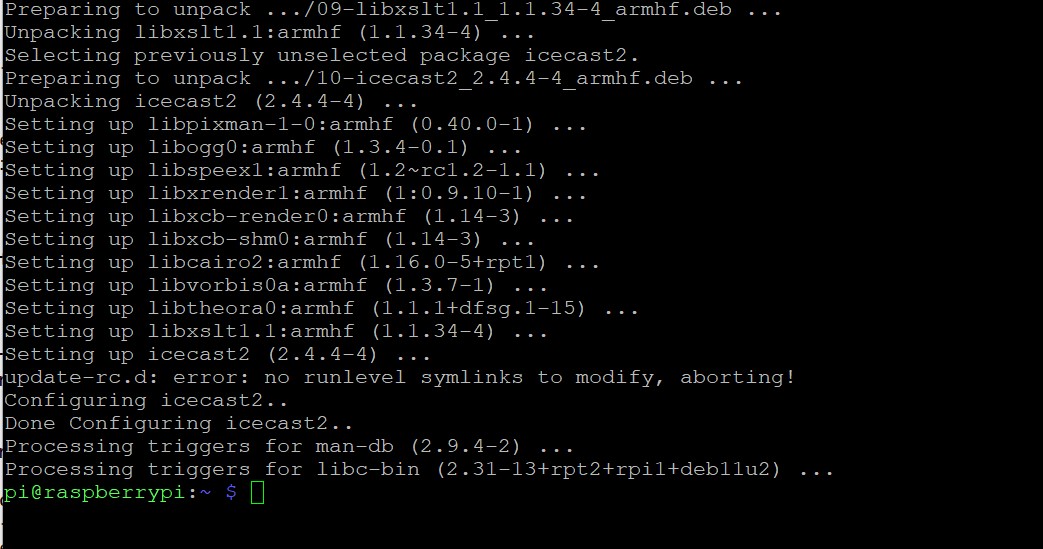
sudo apt install icecast2

On the question “Do you want to continue”
Type Y (yes)

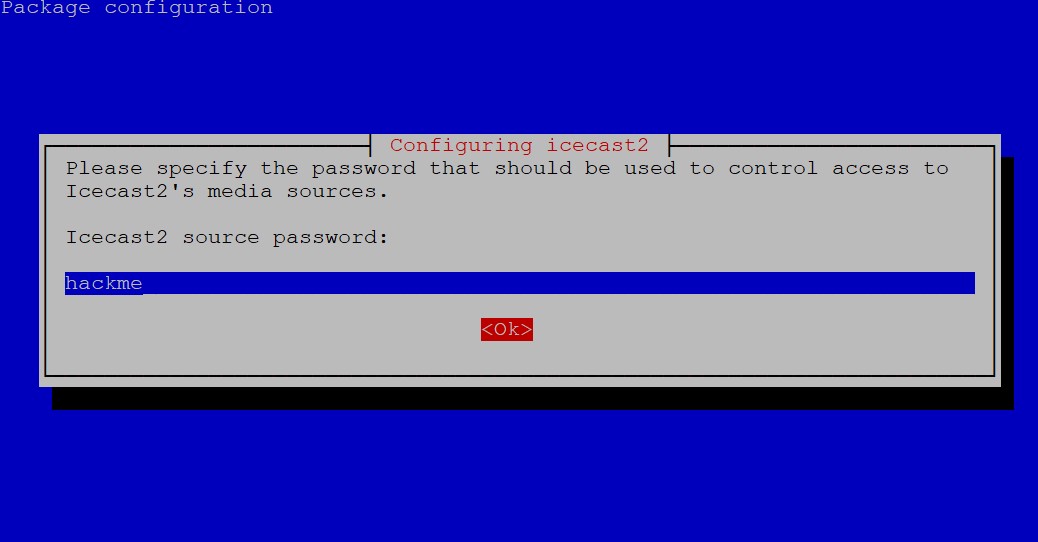
After this the configurator will start
In this case i left everyting default (see also slideshow)
(note : this means default password is used in icecast, for public use this is NOT smart)

icecast config file can be found in /etc/icecast2/icecast.xml

** INSTALL IS DONE **

INSTALL darkice ON RASPBERRY PI

This action is done on a Windows PC to the Raspberry PI With Putty: 

This is used to make a mountpoint to stream audio from USB device to icecast streaming server on Raspberry PI

Run the following command:
sudo apt install darkice

On the question “Do you want to continue”
Type Y (yes)

the CONFIGURATION FILE /HOME/PI/DARKICE.CFG

This action is done on a Windows PC to the Raspberry PI With Putty: 

Content darkice configuration file

To create and edit the file darkice.cfg run the following command:
nano /home/pi/darkice.cfg
(note : nano is an editor)
use crtl-o (save file) and ctrl-x (exit nano editor)

my/home/pi/darkice.cfg file content:
[general]

duration = 0 # duration in s, 0 forever
bufferSecs = 1 # buffer, in seconds
reconnect = yes # reconnect if disconnected

[input]
device = hw:1,0 # `pulse’ for Pulseaudio
sampleRate = 44100 # sample rate 11025, 22050 or 44100
bitsPerSample = 16 # bits
channel = 2 # 2 = stereo

[icecast2-0]
bitrateMode = vbr # variable bit rate (`cbr’ constant, `abr’ average)
quality = 1.0 # 1.0 is best quality
format = mp3 # format. Choose `vorbis’ for OGG Vorbis
bitrate = 256 # bitrate
server = localhost # or IP
port = 8000 # port for IceCast2 access
password = hackme # source password to the IceCast2 server
mountPoint = rapi.mp3 # mount point on the IceCast2 server .mp3 or .ogg
name = mystream

MANUAL start the icecast and darkice service on Raspberry pi

This action is done on a Windows PC to the Raspberry PI With Putty: 

To start the icecast and darkice service to check if it is working

This must be done in this order. the icecast service MUST run before the darkice service

for starting/restarting the icecast service use the following command:
sudo systemctl restart icecast2.service

sudo /usr/bin/darkice -c /home/pi/darkice.cfg
(note: if you close putty or use ctrl-c in putty darkice will stop. this is only for testing)

REMOTE CHECK IF icecast and darkice ARE WORKING

This action is done on a Windows PC or a system with a internet browser

Check if icecast and darkice is working and you can make a remote connection

Ensure that icecast and darkice is running on Raspberry PI

Open internet browser on your pc or other device.
Open link : http://”your raspberrypi ip #”:8000
in my case this is : http://192.168.1.33:8000

See left slideshouw what you should get

To see the mountpoint you need login. 
click on Administration in the Icecast2 status page
in the popup windows type Username=admin and Password=hackme

START ICECAST aND DARKICE when raspbery pi start/restarts (cron)

This action is done on a Windows PC to the Raspberry PI With Putty: 

This will insure that the service icecast and darkice will start everytime the Raspberry PI is powered on or rebooted.

if you are still in testmode then press ctrl-c or reconnect with putty to your Raspberry PI

We are going to use cron to create a startup 
see also link : https://www.raspberrypi.com/documentation/computers/using_linux.html for more information.

Use the following command:
crontab -e
First time it will ask what editor to use. select 1 for nano editor

Goto the the end of the file and add the following line:
@reboot sleep 10 && sudo /home/pi/darkice.sh
use crtl-o (save file) and ctrl-x (exit nano editor)
(note : the reboot will insure the script will run every time the Raspberry Pi is powered )

Create the darkice.sh file
nano /home/pi/darkice.sh


Edit the following in the file:
#!/bin/bash

#start a service
sudo systemctl restart icecast2.service
sudo /usr/bin/darkice -c /home/pi/darkice.cfg

YOu need to make the file executable 
Use the following command:
sudo chmod 777 /home/pi/darkice.sh

Reboot the Raspberry PI
sudo reboot

setup STREAM channel in the sonos app

This action is done on a Windows PC and SONOS app on the Windows PC 

Setup and configure the audio stream in the SONOS app.

Make sure you have icecast and darkice running on Raspberry PI and also a analoog audio device connected to the U-PHONO UFO202. (and the U-PHONO UFO202 usb connected to the Raspberry PI)

You need to have the SONOS App installed (download link SONOS Apps (Link https://support.sonos.com/s/downloads)

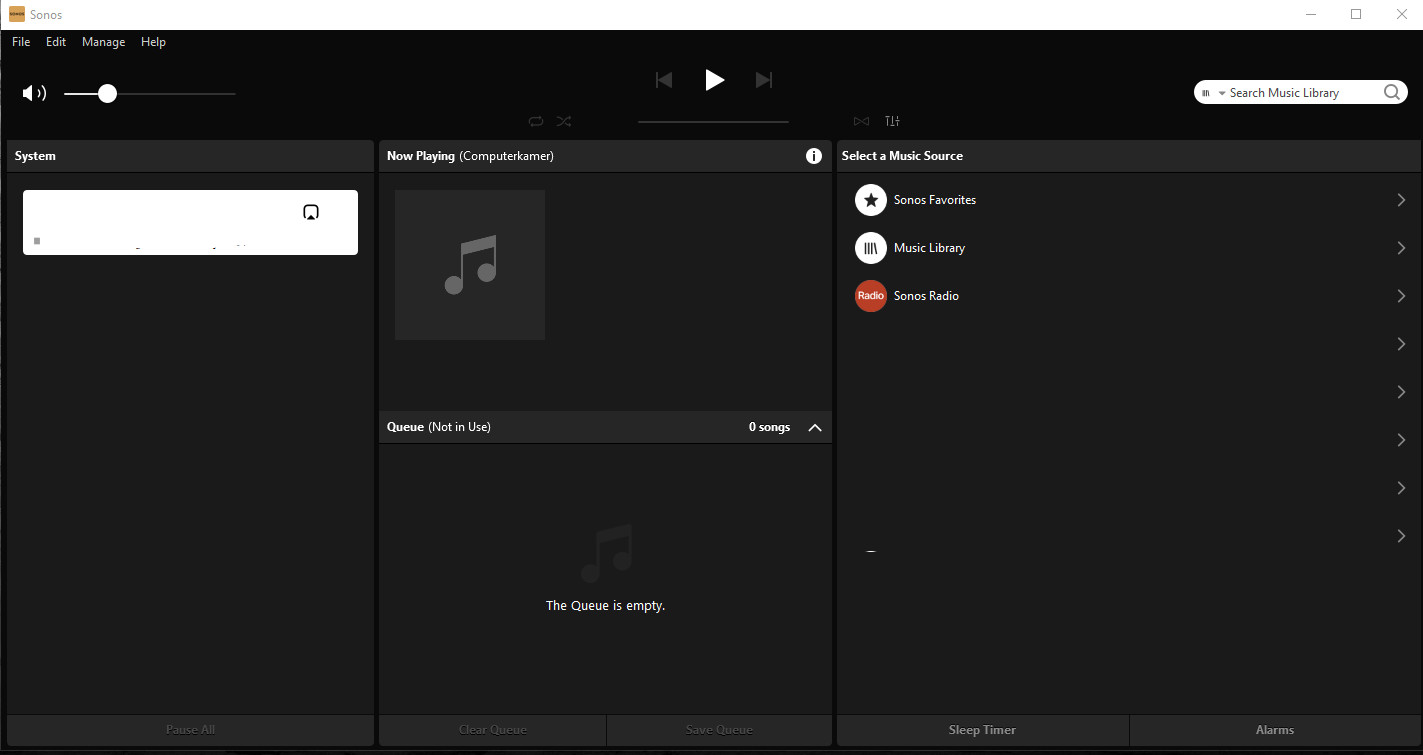
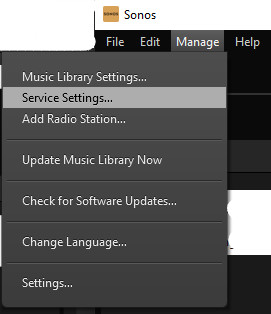
Start the SONOS App (see also left the slideshow)
From menu select Mange, Service Settings…
Select Add
Select Tuneln service and click on Add
Click on Setup Tuneln
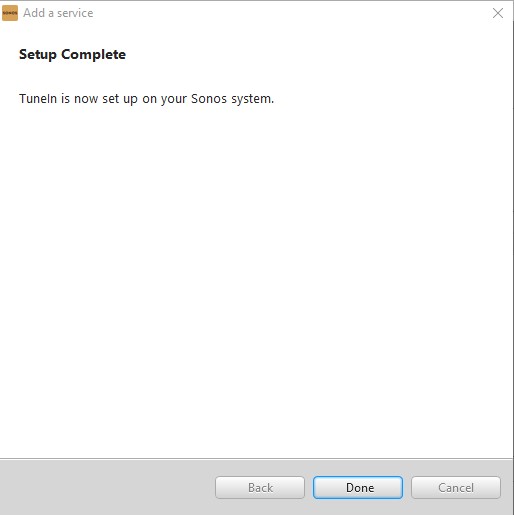
Click on Done
(In my case it did not look like the service was added but when i go back to the mean screen off the app i can see it is there)
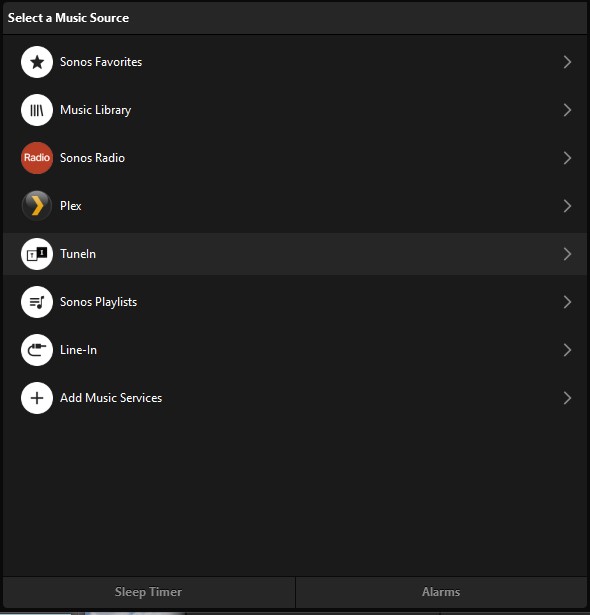
From Select a Music Source click on Tuneln
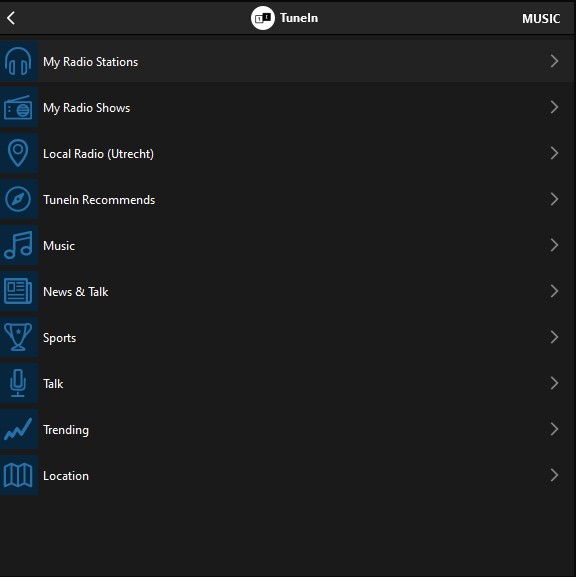
Click on My Radio Stations
Click on Add New Station
in “Add a Radio Station” fill in
Streaming URL http://192.168.1.33:8000/rapi.mp3  (if you change anything of the settings/config you used in icecast/darkice you need to use your settings)
(note : where the ip number is use your Raspberry PI IP number)
in “Station Name” add a name you recognize (it can be anything)
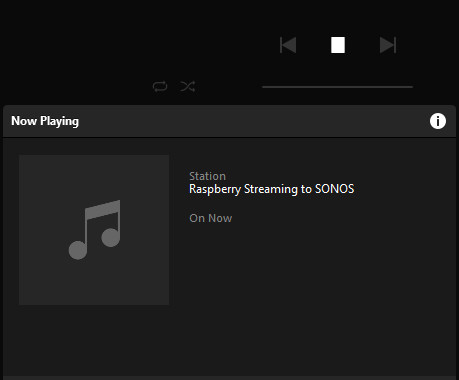
I used Raspberry PI Streaming to SONOS

YES, START STREAMING

This action is done on a Windows PC and SONOS app on the Windows PC 

And start streaming

Make sure you have icecast and darkice running on Raspberry PI and also a analoog audio device connected to the U-PHONO UFO202. (and the U-PHONO UFO202 usb connected to the Raspberry PI)

Dubbel Click on the created Radio station and it should work